In today's fast-paced world, effective storage solutions are more crucial than ever. According to a report by MarketsandMarkets, the global storage market is projected to reach $5 billion by 2025, highlighting the increasing demand for efficient, customizable storage options. Selecting the right storage solutions can enhance organization, increase productivity, and even save costs.
Businesses and individuals alike face challenges with clutter and inefficiency in their spaces. Nearly 30% of people admit to feeling overwhelmed by disorganization. Opting for tailored storage solutions can significantly alleviate these issues. From modular shelving to innovative filing systems, the choices available reflect diverse needs and environments.
Navigating the myriad of options may feel daunting. It's essential to assess your specific needs and consider future growth. A one-size-fits-all approach often leads to wasted space and resources. Reflecting on past experiences and evaluating effectiveness is vital in making informed decisions. Ultimately, investing time in choosing the best storage solutions can yield long-term benefits and improve overall quality of life.
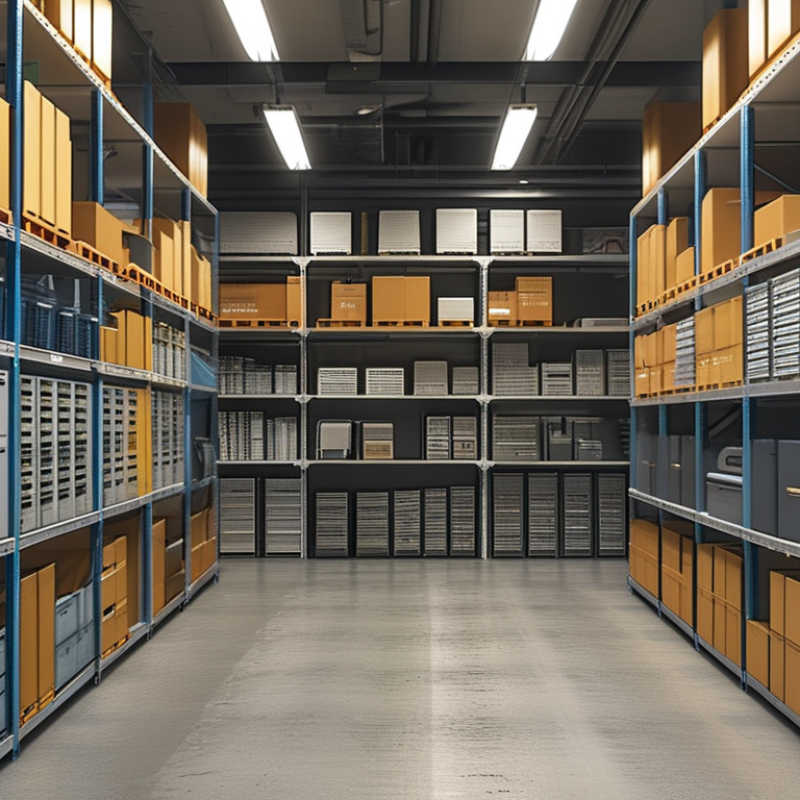
Identifying Your Storage Needs and Requirements
Identifying your storage needs is essential for creating an organized space. Start by evaluating what items you need to store. Consider your lifestyle and daily routines. Do you have sports equipment, seasonal decor, or business materials? Each category requires different solutions.
Think about space constraints too. A small apartment may limit your choices, while a larger home provides more options. Ask yourself if you need easy access or if items can remain hidden. Clear goals help in selecting storage types. For instance, open shelving may be ideal for frequently used items, while bins work for seldom-used goods.
It’s crucial to reflect on your habits. Are you likely to keep items longer than necessary? How often do you declutter? Understanding your tendencies informs better storage decisions. Even a well-planned system can falter if it doesn't fit your lifestyle. Recognizing these truths can lead to a more tailored, effective storage solution.
Evaluating Different Types of Storage Solutions
When evaluating different types of storage solutions, it is essential to understand the specific needs of your space.
Traditional storage options include shelves, boxes, and cabinets. For personal or office use, choosing the right material
and configuration can impact organization and accessibility. According to a report by Storage Magazine,
30% of users struggle with insufficient storage in homes, indicating the need for efficient solutions.
Portable storage units offer flexibility, catering to both short and long-term needs. They can be placed onsite or used for temporary storage.
Data from the Self-Storage Association shows that over
9% of Americans rent storage units, demonstrating their growing popularity.
However, the challenge remains in selecting the appropriate size. Misjudging storage requirements often leads to extra costs or wasted space.
Digital storage solutions cannot be overlooked. Cloud storage services provide easy access and security for important files.
The International Data Corporation reported that the global cloud storage market will reach
$137 billion by 2025, reflecting its increasing adoption.
However, transitioning to digital storage also poses risks related to data breaches and loss, requiring careful consideration of security measures.
Assessing Space and Location for Storage Options
When assessing space and location for storage options, start by evaluating your needs. Determine what items require storage. This will influence the space you'll need. If you're storing larger equipment, consider an area with ample dimensions. Additionally, think about the accessibility of the location. Is it near your home or workplace? This can save time in the long run.
It's crucial to measure the available space accurately. This helps avoid overcrowding. Consider vertical storage solutions for smaller areas. Shelves can maximize space in tight spots. If the location is a bit remote, think about how often you'll visit. Long drives can become a burden, potentially leading to missed opportunities to use your stored items.
Don’t forget about climate control. Some items are sensitive to temperature and humidity. A dry, stable environment can extend the life of your possessions. Reflect on your choices regularly. Needs may change over time. What worked last year might not suit your current situation. It’s wise to reassess your storage plans periodically.
Comparing Costs and Budget Considerations
When considering storage solutions, cost is often a primary concern. Different storage options come with varying price points. For instance, renting a storage unit can range widely depending on location and size. Some facilities seem affordable but include hidden fees. Always ask about these before making a decision.
Budget considerations should not only encompass rental fees but also the long-term impact. Packing materials, transportation, and insurance add to the total expenditure. A storage solution with low initial costs may escalate over time. It’s wise to calculate these factors to assess true affordability. Analyze your needs carefully.
Many people overlook their actual storage requirements. They may rent larger units out of fear of running out of space. This often leads to wasted money. A clear inventory of items can prevent overpaying. Reflecting on what you truly need helps refine your budget. Always remember that the best solution balances both cost and functionality.
Storage Solutions Cost Comparison
Analyzing Durability and Maintenance of Storage Systems
When evaluating storage systems, durability and maintenance are critical factors. The right choice ensures long-lasting performance without constant repairs. Materials matter. Metal units often resist wear and tear better than plastic. However, they may corrode over time if not properly maintained. Assess your environment before deciding. For example, high humidity can damage wooden storage solutions.
Consider how much maintenance you're willing to perform. Some systems require regular upkeep, like cleaning and inspections. Others need minimal attention; they are built for resilience. Think about the time and effort you can commit. A durable storage solution might cost more upfront but save money in the long run.
Tips: Always check for warranties. Reliable products often come with assurances from manufacturers. Look for user reviews to gauge real-world durability. It’s essential to choose storage that suits your specific needs, both in usage and maintenance. Prioritize your choices by evaluating how frequently you'll use them. A heavier-duty option might be suitable for frequent access, while lightweight options work better for occasional use.
FAQS
: Evaluate the items you need to store. Consider categories like sports equipment or seasonal decor.
Small apartments limit choices. Larger homes offer more storage options.
Yes, consider if you need frequent access or if items can remain hidden.
Reflect on your habits. Regular decluttering can help maintain an organized space.
Shelves, boxes, and cabinets are typical choices for storing items effectively.
They offer flexibility and can be used temporarily or long-term, depending on your needs.
Misjudging size can lead to extra costs. Assess your needs carefully to avoid this issue.
Data breaches and loss are potential risks. Security measures are essential for protecting your files.
Knowing your tendencies helps in choosing the right storage solutions that fit your lifestyle.
The market is growing, indicating that more users are opting for digital solutions for storage.
Conclusion
When selecting the best storage solutions to meet your needs, it is crucial to begin by identifying your specific storage requirements. This involves considering the types of items you need to store, their size, and the frequency of access. Once your needs are clear, evaluate the various types of storage solutions available, such as shelving units, containers, or digital storage, to determine which fits your requirements best.
Additionally, assess the space and location where you will store your items, ensuring that the chosen solution can fit comfortably and is accessible. Budget considerations are also paramount; compare the costs of different options to align with your financial constraints. Finally, analyze the durability and maintenance of potential storage systems to ensure they will withstand the test of time and require minimal upkeep. By taking these factors into account, you can make a well-informed decision about the most suitable storage solutions for your unique situation.

 CrownRacking