In 2026, creating effective Point Of Purchase Displays will be more critical than ever. Research indicates that 76% of consumers make purchasing decisions at the point of sale. As retail environments evolve, brands must adapt to capture attention and influence choices.
Innovative display designs that utilize technology and sustainability will play a pivotal role in this transformation. According to a recent report by the Retail Industry Leaders Association, 67% of shoppers engage more with interactive displays. However, brands must also consider the importance of simplicity. Overly complex designs can confuse consumers, detracting from the intended message.
The challenge lies in finding the right balance between creativity and clarity. Display effectiveness can vary widely based on product type and consumer demographics. A cookie-cutter approach may not resonate with diverse audiences. Thus, businesses must continuously evaluate and refine their strategies. Engaging with consumer feedback will be essential for developing displays that genuinely resonate in the dynamic landscape of 2026.
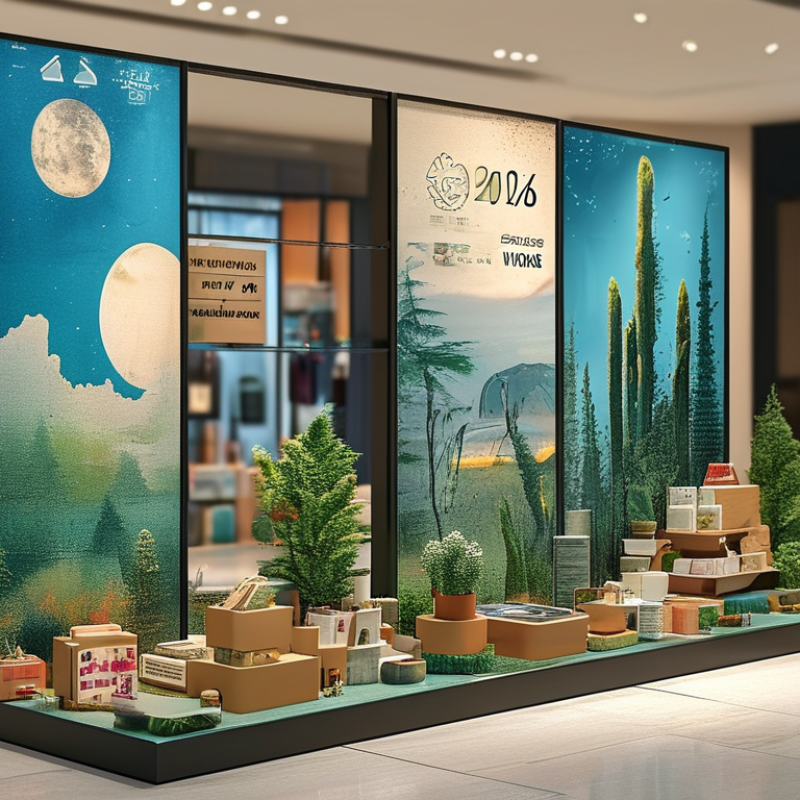
Point of Purchase (POP) displays play a vital role in retail strategies. They can influence consumer behavior significantly, driving impulse purchases. According to a study by POPAI, more than 70% of buying decisions are made at the point of purchase. This statistic highlights how essential effective displays are in capturing consumer attention.
In 2026, the design and placement of POP displays must adapt to evolving consumer expectations. Retailers need to create engaging experiences, incorporating interactive elements. Simple signage may no longer suffice. Data from the International Journal of Retail & Distribution Management suggests that visually appealing displays increase sales by up to 35%. Yet, many retailers fail to leverage this potential, often prioritizing cost over creativity.
Moreover, sustainability is becoming a key factor. A recent survey indicates that 60% of consumers prefer brands that utilize eco-friendly materials. Retailers should think critically about their display choices. Are they contributing positively to the environment? Effective POP displays can balance aesthetics with sustainable practices, enhancing both brand loyalty and consumer trust in the long run.
Creating effective point-of-purchase displays requires a keen understanding of design principles. One essential element is visual appeal. The display must attract immediate attention. Bold colors and unique shapes can draw customers in. However, too much clutter can confuse them. Aim for a balance that highlights key products and keeps the design clean.
Another key aspect is strategic placement. Positioning displays at eye level is crucial. This increases visibility and encourages interaction. Make sure to consider traffic flow in the store. It’s vital to ensure that displays do not obstruct pathways. Reflecting on customer movement can provide insights on the best locations.
Incorporating technology is becoming increasingly important. Digital screens or interactive elements engage shoppers in new ways. However, technology should enhance the display, not overwhelm it. Assessing the effectiveness of tech integration can be challenging. Consider testing different setups to see what resonates. Remember, effective point-of-purchase displays come from continuous evaluation and adaptation.
In 2026, point of purchase (POP) displays will significantly shift due to technological advancements. As shopping becomes more digital, integrating technology into POP displays is crucial. Interactive displays can engage consumers in unique ways. For example, motion sensors can trigger animations or product information. This creates an immersive experience that captures attention.
Augmented reality (AR) is another powerful tool. Consumers can use their smartphones to see virtual enhancements. Imagine scanning a product to view recipes or usage tips. This adds layers of information and encourages deeper engagement. However, not all consumers are tech-savvy. Some may find complex interactions confusing. Simplicity must remain a priority.
Touchscreens are also evolving. They can offer personalized recommendations based on past behavior. Shoppers could receive tailored product suggestions in real-time. However, developers need to understand privacy concerns. Balancing personalization with security is vital. Throughout the process, continuous feedback from consumers can guide improvements. This iterative approach can help refine the experience. As technology changes, staying flexible and responsive is essential for effective POP displays.
Point Of Purchase (POP) displays play a crucial role in influencing consumer decisions. In recent studies, it was found that well-designed POP displays can boost sales by up to 25%. This statistic highlights the need for retailers to invest in effective display strategies. However, not every display achieves the desired impact. Some designs may be visually appealing but fail to communicate the product's value effectively.
To measure the effectiveness of POP displays, data on customer engagement is essential. Tracking foot traffic, conversion rates, and sales lift can provide insights into a display's performance. An effective approach is to use A/B testing to compare different display formats. This can reveal which elements attract attention and drive sales.
Tips for creating impactful displays: Keep it simple. A cluttered design can confuse shoppers. Use bold colors to draw attention, but ensure they align with your branding. Also, consumer behavior is dynamic, so be ready to tweak your displays based on seasonal trends or changing customer preferences. By actively seeking feedback and analyzing performance data, retailers can refine their strategies over time, making necessary adjustments for continual improvement.
| Display Type | Impact on Sales (%) | Customer Engagement Level | Average Dwell Time (seconds) | Return on Investment (%) |
|---|---|---|---|---|
| Interactive Digital Displays | 25% | High | 30 | 150% |
| Cardboard Displays | 15% | Medium | 20 | 90% |
| Hanging Displays | 10% | Low | 15 | 70% |
| End Cap Displays | 20% | High | 25 | 120% |
| Shelf Talkers | 12% | Medium | 18 | 80% |
Point of purchase (POP) displays are vital for retailers looking to maximize sales. Effective placement is fundamental to success. According to a 2022 study by the Point of Purchase Advertising International (POPAI), nearly 70% of purchasing decisions occur in-store. This emphasizes the need for strategic positioning of displays. Key areas include near checkout lanes and high-traffic zones. These spots capture customer attention and can significantly boost impulse buys.
Maintenance is just as crucial as placement. A well-kept display reflects brand values and encourages customer engagement. Reports indicate that 90% of consumers respond positively to clean, well-organized displays. Regular updates can keep the display fresh and appealing. Additionally, retailers should train staff to monitor the displays, ensuring they remain stocked and visually appealing.
Yet, it’s essential to acknowledge potential challenges. Not all displays perform as expected. Some may gather dust or become outdated quickly, risking customer disengagement. Retailers must be willing to reflect on the effectiveness of their displays. Gathering feedback from both staff and customers can provide insights into necessary adjustments. Adapting to consumer preferences is key to maintaining relevance in 2026.
: Visual appeal is crucial. Use bold colors and unique shapes to attract attention without creating clutter.
Positioning displays at eye level enhances visibility. This encourages customer interaction and maintains a clear pathway.
Technology like digital screens allows for engaging interactions. However, it should complement the display and not overwhelm it.
Augmented reality can enrich consumer experiences. Scanning products can reveal recipes or tips but should remain easy to use.
Tracking foot traffic and sales can show a display's impact. A/B testing different formats helps identify effective elements.
Simplicity is key. Clutter can confuse shoppers. Effective designs communicate product value clearly without added distractions.
Feedback helps refine strategies. Continuous evaluation allows for necessary tweaks based on changing preferences or trends.
Personalization on touchscreens raises security issues. Balancing user data with privacy is essential to maintain consumer trust.
Yes, displays should adapt to seasonal trends. Consumer behavior changes over time, requiring adjustments to maintain engagement.
In 2026, the effectiveness of Point Of Purchase Displays is pivotal for retail strategies aimed at enhancing customer engagement and boosting sales. Understanding their role involves recognizing how these displays influence purchasing decisions. Key design elements, such as visual appeal and clarity of messaging, are essential for drawing customers' attention and facilitating easy product access.
Furthermore, leveraging technology, such as interactive digital components, can significantly enhance the interactivity of Point Of Purchase Displays, making them more appealing to tech-savvy consumers. To measure their impact on sales performance, retailers should analyze data on customer interactions and sales results. Finally, best practices for the placement and maintenance of these displays are crucial for sustaining their effectiveness, ensuring they remain a critical aspect of retail marketing strategies in 2026.

CrownRacking